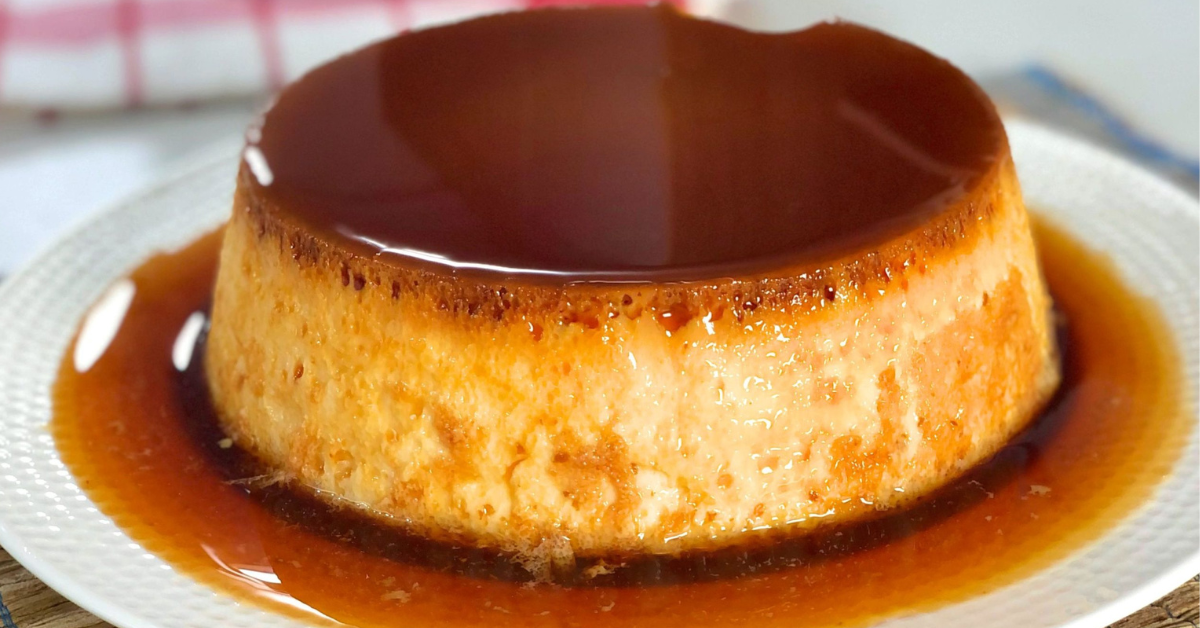
Pudding is one of the most beloved and comforting desserts found in kitchens around the world. Its smooth, silky texture combined with a rich, subtle sweetness makes it a favorite choice for any time of the year. Whether enjoyed as a family dessert after a hearty meal or served during special celebrations, pudding has an undeniable charm. Its versatility also allows it to be adapted to different tastes, from the traditional version to variations enriched with fruit, spices, or flavored syrups.
This dessert has deep roots in culinary traditions across Europe and the Americas, and versions of it can be found in many cultures worldwide. Despite its simplicity, pudding has the remarkable ability to bring nostalgic warmth to those who enjoy it. Today, you will learn how to prepare a classic and elegant homemade pudding, step by step, so you can enjoy this timeless dessert wherever you are.
1. Ingredients to Prepare a Classic Pudding
One of the great advantages of pudding is that it requires only simple, affordable ingredients, making it an excellent choice for any occasion. Below is the full list of ingredients you will need to make this delicious recipe.
Ingredients:
- 1 cup of sugar (for the caramel)
- 1 can of sweetened condensed milk
- 2 cups of milk (whole milk recommended, but other types also work)
- 3 large eggs
- 1 teaspoon of vanilla extract
- A pinch of salt
- Optional: zest of lemon or orange for a fresh aromatic touch
Note: If you prefer a lighter version of this pudding, you can replace whole milk with low-fat milk or plant-based alternatives such as almond, oat, or soy milk. You may also adjust the sweetness by modifying the amount of condensed milk or adding a small amount of extra sugar if desired.
2. Preparation of the Pudding
Although the process of making pudding is relatively simple, it requires attention to detail to achieve the smooth, creamy consistency that characterizes a perfect dessert. Below is the step-by-step guide.
Step 1: Prepare the Caramel
Place the sugar in a medium saucepan and heat over low-medium heat. Let the sugar melt slowly without stirring too much. When it turns into a golden caramel, carefully pour it into the base of your pudding mold. Tilt the mold so the caramel coats the bottom evenly. Set aside to cool.
Step 2: Mix the IngredientsIn a bowl, combine the condensed milk, milk, eggs, vanilla extract, and salt. Mix gently with a whisk until everything is well incorporated. Do not beat too vigorously, as this can create bubbles and alter the texture of the pudding.
Step 3: Strain the Mixture
To guarantee a silky texture, strain the pudding mixture through a fine sieve directly into the caramel-coated mold. This helps remove any foam or lumps and ensures a smoother result.
Step 4: Cook the Pudding in a Water Bath
Place the mold inside a larger baking pan. Add hot water to the larger pan until it reaches halfway up the sides of the pudding mold. Bake at 180°C (350°F) for 50 to 70 minutes, depending on your oven.
The pudding is ready when the center is slightly firm and just a bit jiggly when you tap the mold.
Step 5: Cool and Refrigerate
Remove the pudding from the oven and allow it to cool to room temperature. After cooling, refrigerate it for at least 4 hours—or preferably overnight—to achieve the ideal texture.
Step 6: Unmold and Serve
To unmold the pudding, slide a knife along the edges of the mold to loosen it. Place a plate over the mold and invert it quickly but carefully. The caramel will flow beautifully over the top, creating a glossy finish.
3. Tips for a Perfect Pudding
Use gentle mixing:
Stir the mixture slowly. Over-mixing can incorporate air, causing holes inside the pudding.
Control the temperature:
Avoid high heat. Slow, uniform cooking ensures the pudding sets without curdling.
Watch the water bath:
The water should be hot, but not boiling aggressively. Add more water if it evaporates too quickly.
Test for doneness:
A small jiggle in the center means the pudding will finish setting as it cools.
Allow proper chilling time:
Refrigeration is essential for firmness, flavor development, and a clean unmolding.
4. Variations of the Classic Pudding
Here are some creative adaptations you can try:
Coconut Pudding:
Replace part of the milk with coconut milk or add shredded coconut for a tropical flavor.
Chocolate Pudding:
Melt 100 g of dark chocolate and mix it into the batter for a rich and decadent version.
Coffee Pudding:
Add 1 tablespoon of instant coffee dissolved in a little warm milk to give the pudding a subtle and elegant coffee note.
Citrus Pudding:
Add zest from lemon or orange to the mixture for a fresh, aromatic twist.
Spiced Pudding:
Incorporate a hint of cinnamon or nutmeg for a warm, comforting flavor profile.
Conclusion
Pudding is a timeless dessert appreciated for its creamy texture, delicate sweetness, and versatility. With this basic recipe, you can personalize it to suit any preference—adding fruit, chocolate, spices, or alternative milks. Whether served chilled at a family gathering or presented as the final dish at a special dinner, pudding always delivers a delightful experience. Enjoy this classic treat and make it your own with the variations you like most.